Count the group, not the named list
Start with the people who will use the item. A register shows names, but attendance changes. For a classroom take the current roster and add the students who arrive for special lessons. For an office floor, count occupied desks, not job titles. For a party, count expected guests, plus performers, helpers and siblings who might stay. Aim to reach a practical head count rather than match a list of roles.
Use a small buffer for absences and late additions. If you expect 28 students on a regular day, plan for 30. If a floor has 42 desks in active use, plan for 44 to cover float seats. For a birthday with 20 invited children, plan for 22 to include a late RSVP or an extra caregiver. These modest upsizes keep you from making last-minute runs.
Group counting also reveals whether you should buy mixed colours. If students sit on assigned chairs, you might match items to rows. If everyone grabs their item from a central table, assorted colours help each person identify theirs without a name tag. Counting the people first gives you a working total to test against pack sizes and the small measurements that sometimes change the result.
When a number sits between two pack sizes, pick the higher one if packing must be done in advance. It is usually cheaper to have a few extras at hand than to pay for urgent shipping on a second small box. Your starting point is the head count. Everything else adapts to that number.
Add spares for loss and breakage
Things go missing. Items get left behind, stepped on or returned with broken parts. Add spares as a simple insurance policy. For a classroom order, add one spare for every 10 pieces. For an office floor, add two to three spares per 40 desks. For a party, two or three extras are usually enough. These rules of thumb keep you ready without doubling your order.
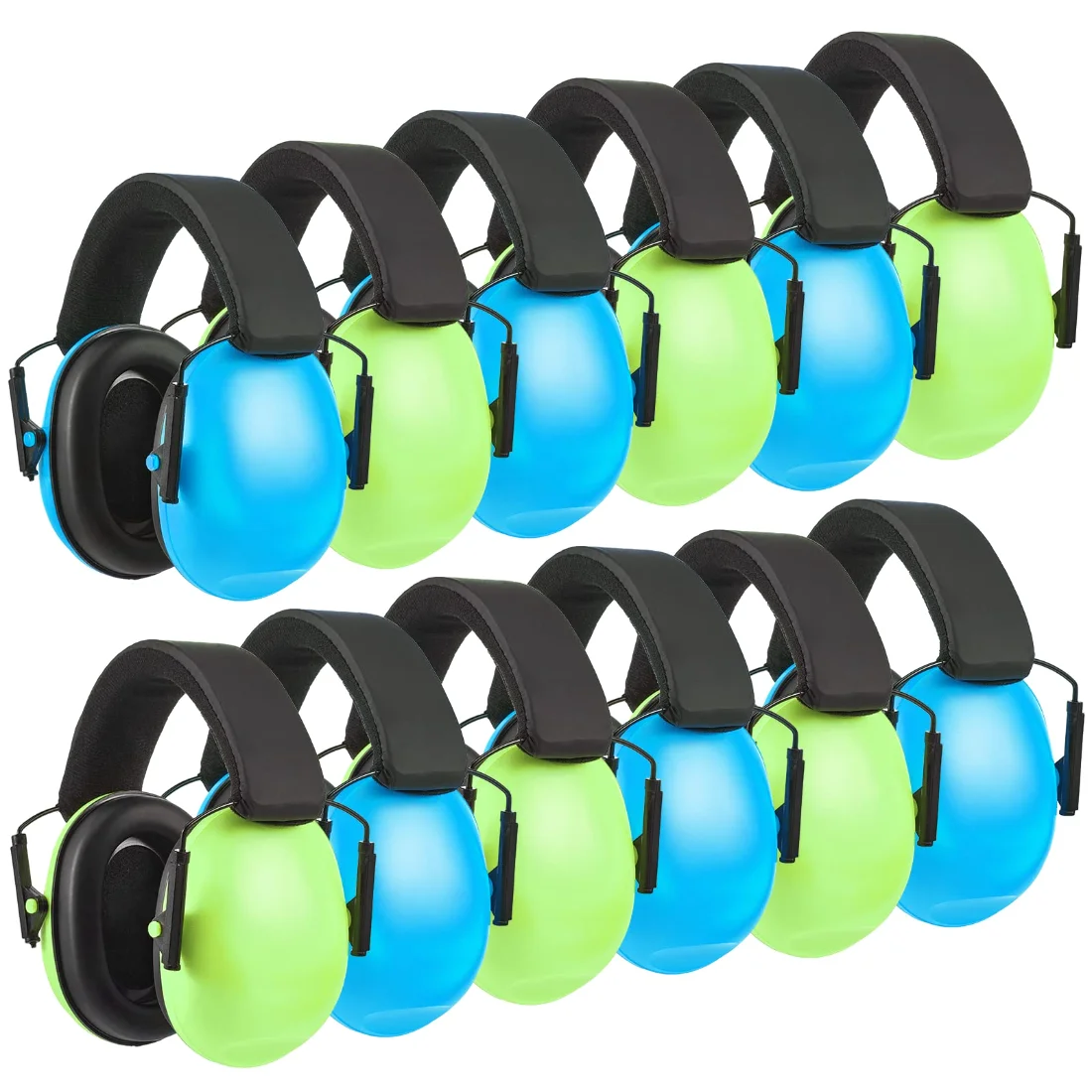
Think about how the pieces are used. A frequently moved item will wear faster. A child’s ear muffs passed among a table will see more handling than a cubicle hanger that hangs on a fixed panel. Ear muffs come in packs of 12, 24 and 36. Buying the larger pack often reduces the replacement math later, and the per-piece figure printed on every card makes that comparison easy.
Avoid ordering two small boxes to cover a shortfall. Shipping a second small box usually costs more than the pieces inside it. That makes a single larger pack the more practical choice in many cases. When you cannot store too many extras, rotate spares out over the term and keep the overflow in a nearby cabinet so replacements are immediate.
Record the spare supply on your inventory sheet. Note where the spares live and who is responsible for issuing them. That small step reduces repeat requests and keeps the group moving.
Split by colour for handout or for return
Decide what you need the items to do beyond their basic function. If you need quick identification, choose assorted colour packs. If you need a fast head count at the end of an event, single colours are faster to tally. Assorted colours help when people must identify their own item. Single colours are easier to count back in at the end of a session.
Choose colour strategy by use case. For a class of 24 students doing daily projects at shared tables, a three-colour assortment can reduce confusion. Hand out one colour per table so a student returns to the same shade each week. For a floor of 36 cubicles where items are stored centrally, a single colour simplifies shelf counts and makes missing pieces obvious at a glance.
When splitting colours, work out how many of each you need before opening boxes. The count printed on every Amylove card tells you how many pieces are in the box. Use that to plan how many boxes of each colour to order. If the set you need does not divide evenly by the pack count, round up to the next full pack and accept a small number of extras.
Colour choice also affects returns. If you expect items to be swapped and swapped back, label storage locations by colour. If people keep items at their stations, let them pick freely and use assorted packs. Your choice will change how many boxes you need from a simple count into a colour-aware tally.
Use the per-piece figure to compare pack sizes
Every Amylove card shows two figures. One figure is the number of pieces in the box. The other figure is what one piece costs. That per-piece number equals the pack price divided by the count. You can use it to compare different pack sizes without looking up each total price.
Start with your working total of people, plus spares and colour splits. Multiply that number by the per-piece figure to estimate the cost without committing to a particular pack size. Then examine available pack counts. A larger pack is usually but not always cheaper per piece. The printed per-piece figure tells you which pack is the better deal.
If two pack sizes have similar per-piece prices, prefer the pack that reduces waste. If buying one large box leaves you with many extras you cannot store responsibly, two medium boxes may be a smarter choice. If a large box will fit in your storage and you expect replacements during the term, the lower per-piece price of the larger box will often save you money.
Remember the shipping factor. If buying two different sets would force a second small shipment, that shipping cost can outweigh minor per-piece savings. Use the per-piece figure as the starting point of your comparison, then layer in storage and shipping considerations to reach the final decision.
Pay attention to measurements that overrule the count
Some limits are physical, not numerical. Measure the place where the item will live, carry or pass through. A school bookbag is 17 inches tall. That height means a ring binder will lie flat inside. If you expect students to carry binders and claim the filled backpack will be packed according to guidance, check the height against the items they must carry.
Clear stadium packs are cut to 12 by 6 by 12 inches. That is the limit published by the National Football League for a clear bag at a gate. If you are buying bags for an outing to a stadium or a venue with a similar restriction, that measurement overrules your group count. One pack per guest may be the right plan only if the bag fits the venue rules.
Cubicle hangers adjust to fit a panel between 1 3/8 and 3 1/2 inches thick. Measure the panel where the hangers will go before you buy. A hanger that does not clamp properly forces returns and replacements. For fixed furniture, take the panel thickness as a hard constraint and buy the pack counts that meet your final usable total.
When measurements conflict with head count, resolve with the physical limit. It is better to have a few spare pieces that fit than many that cannot be used. Check dimensions and then apply your counts to the packs that meet the rules.
Buy for two terms at once when it reduces cost or work
Deciding to buy for two terms at once is a balance. The larger pack will often reduce per-piece cost. It also reduces the chance you will need a second small shipment midyear. For groups that use items repeatedly across terms, buying twice the immediate need can be cheaper and easier.
Take the storage question seriously. If you have a dedicated supply cabinet in the classroom or the mailroom on a floor, extra boxes can be held and issued as needed. If storage is tight, keep only a term’s worth plus spares and plan a reorder. The postage on that reorder, not the pieces in it, is the main reason to consider a larger first purchase.
Think about usage patterns across the school year. A parent planning for two parties at the same venue can order once and split the boxes between events. A teacher who runs similar projects in fall and spring benefits from uniform supplies and identical replacements. Compare the printed per-piece figures for the larger pack against the smaller ones. If the per-piece saving covers your storage cost and reduces the chance of midterm emergency purchases, buy for two terms.
When you do buy ahead, label the boxes with the term and the room. That small administrative step saves re-counting and prevents accidental double issuance.
Final checks before you place the order
Run a quick checklist that matches the facts with your plan. Confirm the head count with the latest register or floor roster. Confirm how many spares you will keep and where. Confirm the colour split and how people will identify their items at handout and return. Check the measurements: a 17 inch school bookbag will take a binder lying flat, stadium bags at 12 by 6 by 12 inches meet the NFL limit, and cubicle hangers fit panels between 1 3/8 and 3 1/2 inches thick.
Look at the Amylove card. Note the two figures it prints: the piece count and the per-piece price. Use the per-piece figure to compare pack sizes, and remember that a larger pack is usually cheaper per piece. Factor in the cost of a second small shipment. If that shipment would be likely, the single larger box may be the better option.
Make the final count by adding people, spares and the adjustments for colour or storage. Round up to the nearest full pack when you order. Keep a note of where the spares are stored and who issues them. With these checks you will not need surprises midterm.